All Categories
Featured
Table of Contents
- – Advancing Human Capital in the United Arab Emi...
- – Functional Quality Through Strategic Talent Ma...
- – The Role of Constant Learning in 2026
- – Developing Workplace and Versatile Structures
- – Regulatory Influence On Retention and Movement
- – Technical Efficiency and the Human Component
- – Future Patterns in Labor Force Improvement
- – Preserving a Competitive Edge in the Region

Advancing Human Capital in the United Arab Emirates for 2026
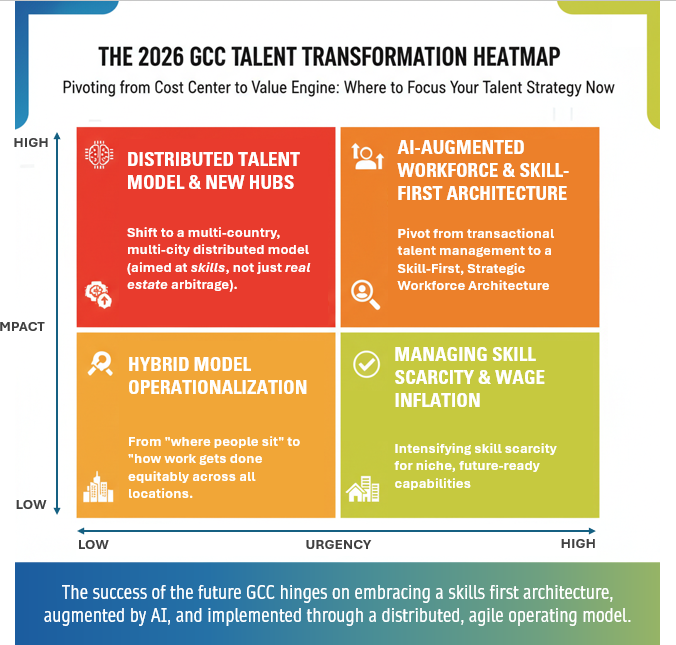
The 2026 labor market in the regional business centers has actually moved past standard work designs, favoring a system where human capital is treated as a liquid property. This year, the focus has actually shifted from simple recruitment to deep organizational change. Business are no longer trying to find simple ability. They are seeking people who can browse the intricacies of a 2026 economy where artificial intelligence and human intuition need to operate in close coordination. This shift specifies how organizations in the surrounding region handle their most important resources.Success in 2026 depends on more than just high incomes. Employees now focus on autonomy, career durability, and the ability to contribute to meaningful jobs. Organizations that fail to recognize these changing expectations find themselves battling with high turnover rates. The transition towards human-centric operations requires a rethink of how skill is sourced and kept. Magnate now see workforce advancement as a continuous cycle instead of a one-time onboarding occasion.
Functional Quality Through Strategic Talent Management
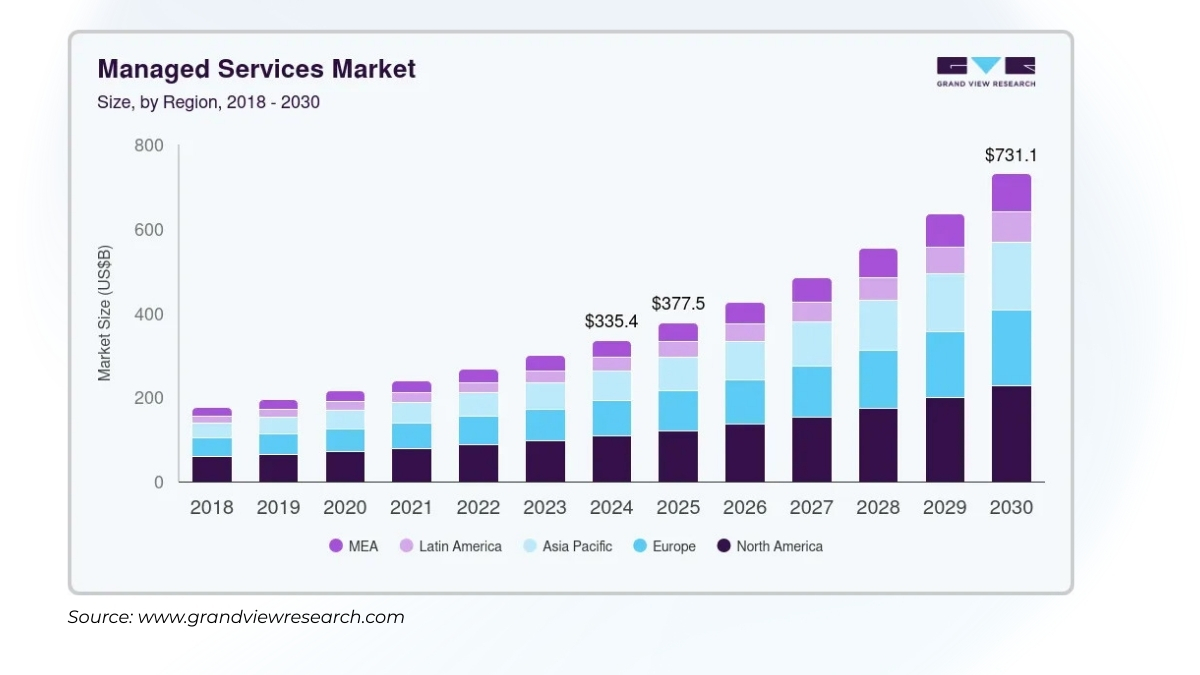
Operational effectiveness in 2026 is tied straight to the stability of the workforce. High turnover develops gaps in institutional understanding that are tough to fill rapidly. In the local economy, companies are adopting advanced information modeling to predict when employees may consider leaving. By determining these patterns early, managers can intervene with personalized advancement plans. This proactive approach ensures that operational strategy stays consistent even during periods of market volatility.Retention has actually ended up being a metric of corporate health. Financiers and stakeholders in 2026 take a look at retention rates as a main indicator of a company's future performance. A steady labor force suggests that a company has a strong internal culture and clear leadership. These factors are important for maintaining a competitive edge in the Middle East. When workers stay longer, they establish a much deeper understanding of the business's goals, which leads to better decision-making and enhanced performance across the board.The integration of sophisticated software application has actually altered the method efficiency is measured. Instead of annual reviews, 2026 sees the increase of real-time feedback loops. This continuous interaction enables immediate course correction. It also gives workers a sense of security, as they always know where they stand. This openness is a foundation of modern retention techniques, minimizing the anxiety that often results in resignation.
The Role of Constant Learning in 2026
Education no longer ends at the university level. In 2026, the UAE has seen a huge surge in internal corporate academies. These organizations offer specialized training customized to the specific needs of the organization. By offering these opportunities, companies in the local market reveal a commitment to their personnel's long-lasting development. This commitment is typically reciprocated with increased commitment. Lots of companies are now investing greatly in Business Scaling to bridge the gap between academic theory and useful application. This financial investment helps employees feel that their career is progressing without needing to alter employers. Upskilling has actually become an everyday activity instead of an occasional seminar. Employees who see a clear path to advancement are substantially most likely to remain with their current firm for 5 years or longer.Micro-credentialing is another trend controling 2026. Rather of long-term degrees, employees earn small, verifiable badges for mastering specific tasks or innovations. These qualifications have high worth within the regional job market. Companies that facilitate this type of learning are deemed partners in a worker's expert life rather than simply an income source. This partnership design is showing to be one of the most efficient tools for skill retention this year.
Developing Workplace and Versatile Structures
The physical workplace in 2026 has actually been reimagined. While some sectors still require a physical presence, lots of organizations in the major urban centers have actually transferred to a results-based workplace. This implies workers have more control over when and where they work, supplied they meet their goals. This flexibility is no longer a luxury. It is a standard expectation for high-level skill in the 2026 economy.Remote work tech has actually enhanced to the point where geographical place is secondary to capability. Nevertheless, this has actually likewise made it easier for skill to be poached by international companies. To counter this, regional business are emphasizing the social and cultural benefits of staying within the UAE business neighborhood. Producing a sense of belonging is essential. Those who feel linked to their colleagues and the business's objective are less most likely to be swayed by a somewhat higher remote salary offer from abroad.The 2026 method to work-life balance likewise consists of a focus on mental wellness. Burnout was a significant problem in previous years, however current methods include compulsory downtime and mental health support as basic parts of an employment agreement. Business in the area are finding that a rested staff member is a more efficient and devoted one. High-pressure environments are being changed by high-support environments.
Regulatory Influence On Retention and Movement
Modifications in labor laws and residency authorizations have actually had a profound result on the 2026 task market. The growth of long-lasting residency choices has actually encouraged more expatriates to see the UAE as an irreversible home rather than a momentary stop. This shift has actually changed the frame of mind of the workforce. Individuals are now searching for careers that offer stability and long-lasting development within the region.Organizations must align their internal policies with these new regulations. Pension schemes and long-term benefits are ending up being more common as business attempt to mirror the stability used by the government's residency programs. The concentrate on Business Scaling makes sure that these companies remain certified while also bring in the finest offered skill. Legal clarity has actually reduced the friction generally related to employing and maintaining global staff.Nationalization targets have actually also progressed. In 2026, the focus is on qualitative development. The goal is to integrate UAE nationals into specialized, high-value functions where they can lead the next phase of financial development. This develops a varied labor force that integrates regional insights with worldwide experience. Stabilizing these requirements requires a nuanced method to talent management that appreciates both legal requireds and company requirements.
Technical Efficiency and the Human Component
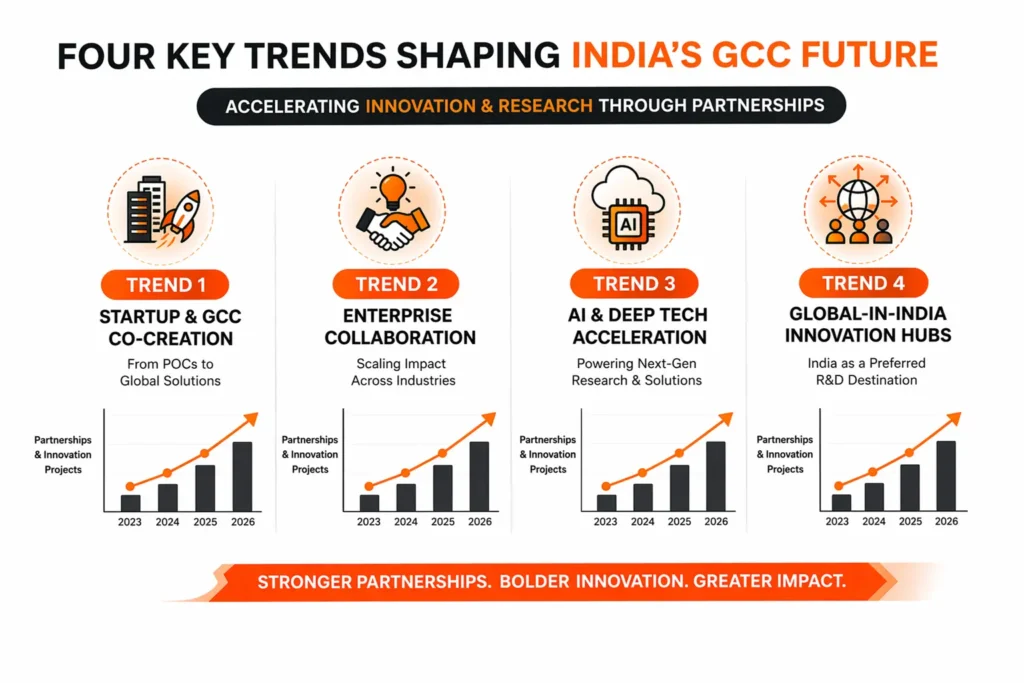
While 2026 is a period of state-of-the-art services, the "human" part of human capital has never been more vital. Soft abilities like compassion, complex problem-solving, and cross-cultural interaction are the most desired traits. Makers can manage information entry and fundamental analysis, however they can not handle people or navigate the subtleties of a high-stakes settlement in the local business district. Retention techniques now consist of recognizing "high-potential" people who possess these soft abilities and putting them on a leadership track. Mentorship programs have actually seen a revival. Younger staff members value the chance to gain from skilled specialists who have invested decades in the professional sector. This transfer of understanding is necessary for maintaining the quality of work that the area is known for.Leadership styles have likewise changed. The 2026 manager is less of a manager and more of a coach. They are responsible for eliminating barriers and providing the resources their team needs to succeed. This supportive style of leadership has been revealed to decrease turnover significantly. When staff members feel that their supervisor is invested in their success, they are more engaged and dedicated to the organization.
Future Patterns in Labor Force Improvement
Looking toward the end of 2026 and into the future, the transformation of human capital will continue to speed up. We are seeing the increase of "project-based" internal movement, where workers can momentarily join different departments to deal with specific jobs. This prevents stagnation and permits people to expand their abilities without leaving the company. It turns the organization into a internal marketplace of opportunities.Sustainability is likewise playing a role in talent retention. The 2026 labor force, especially younger generations, wants to work for business that have a clear dedication to ecological and social responsibility. Firms in the UAE that can demonstrate a favorable influence on the world discover it easier to attract and keep top-tier talent. This moral positioning is ending up being a key differentiator in a crowded job market.The use of AI in HR is becoming more transparent. In 2026, staff members are often knowledgeable about the algorithms used to evaluate their performance, and they anticipate these systems to be reasonable and objective. Business that utilize technology to support their personnel, instead of simply monitor them, are seeing the finest outcomes. The focus is on using tools to enhance human capacity, not to micromanage it.
Preserving a Competitive Edge in the Region
To stay ahead in 2026, organizations must remain versatile. The economy moves quickly, and the needs of the workforce change simply as quickly. Remaining competitive methods wanting to try out brand-new management designs and retention tools. What worked in 2015 may not work today. Constant evaluation of human resources practices is essential to ensure they remain relevant.Data stays the very best good friend of the HR specialist. By analyzing patterns in the regional market, business can remain one step ahead of their competitors. This may indicate changing benefits packages, providing brand-new kinds of training, or altering the method teams are structured. The objective is to produce an environment where the very best individuals want to work and, more significantly, where they wish to stay.Human capital improvement is not a location. It is a continuous procedure of enhancement. As the UAE continues to grow and diversify its economy in 2026, business that succeed will be those that put their individuals first. By focusing on advancement, versatility, and a helpful culture, companies can construct a labor force that is all set for whatever challenges the future may bring. This dedication to excellence is what specifies the 2026 organization environment in the wider region.

Table of Contents
- – Advancing Human Capital in the United Arab Emi...
- – Functional Quality Through Strategic Talent Ma...
- – The Role of Constant Learning in 2026
- – Developing Workplace and Versatile Structures
- – Regulatory Influence On Retention and Movement
- – Technical Efficiency and the Human Component
- – Future Patterns in Labor Force Improvement
- – Preserving a Competitive Edge in the Region
Latest Posts
Comparing GCC Investment Climates vs Global Markets
Positioning Middle East Portfolios against 2026 Trends
The Rise of Regional Industrial Hubs
Latest Posts
Comparing GCC Investment Climates vs Global Markets
Positioning Middle East Portfolios against 2026 Trends
The Rise of Regional Industrial Hubs